Diversity as an Educational Value
At our International School of Granada, we understand that cultural diversity is an opportunity for learning and growth. We live in an increasingly global and multicultural society, so educating students to coexist in diverse environments is essential for their personal and social development.
Learning to Respect Through Daily Coexistence
Respect is not taught only through theoretical content, but through everyday experience. At our school in Granada, we foster an environment where differences are valued and coexistence based on mutual respect is promoted, helping students understand that each person brings a unique perspective.
Intercultural Education as Part of the Educational Project
Intercultural education involves learning to view the world from different perspectives. At our secondary school in Granada, we work to ensure that students develop an open mindset, learn to listen and engage in dialogue, and understand the richness that cultural diversity brings to the school environment.
Breaking Stereotypes and Prejudices
One of the main goals of intercultural education is to prevent the emergence of stereotypes. Through dialogue, reflection, and group work, students learn to question preconceived ideas and develop a critical and empathetic attitude toward others.
The Importance of Intercultural Communication
Learning to coexist also means knowing how to communicate respectfully with people from different backgrounds. At our bilingual secondary school in Granada, communication is promoted as a tool to resolve conflicts, share experiences, and build relationships based on understanding and tolerance.
Values Built in the Classroom
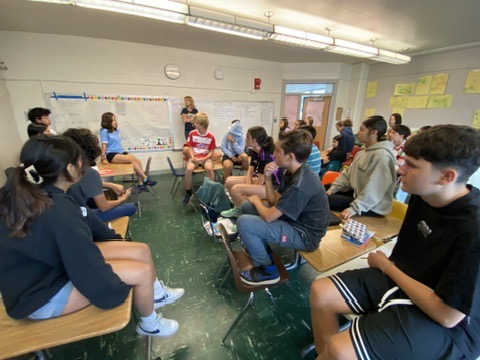
Intercultural education reinforces essential values such as solidarity, equality, and justice. These values are not transmitted only through words, but through group dynamics, debates, and activities that encourage active student participation.
Preparing Citizens for a Global World
Living in multicultural environments prepares students for a diverse academic and professional future. At our school in Granada, we believe that learning to coexist with people from different cultures is a key competence for navigating an interconnected world.
Developing Empathy and Social Awareness
Intercultural coexistence helps students put themselves in others’ shoes and understand realities different from their own. This experience encourages the development of empathy, social awareness, and critical thinking.
The Role of Teachers as Role Models
Teachers act as role models, promoting attitudes of respect, dialogue, and cooperation. At our secondary school in Granada, educators support students throughout this process, creating a safe environment where every student feels valued.
Coexistence That Strengthens the Educational Community
At the International School of Granada, we are committed to an education that shapes individuals capable of living together in diversity. Learning to respect, understand, and value differences not only improves the school climate but also builds a more cohesive educational community prepared for the challenges of the future.